Source Oil Thermostat for HVAC, Refrigeration, and Industrial Use
Find and compare 30 oil thermostat models from verified Chinese manufacturers. Evaluate features like LED or LCD displays, CE and RoHS certifications, and voltage options to select the right temperature control panel for your specific application needs; compare the available evidence and request quotations based on your requirements.
Key considerations
Products List




Comprehensive Sourcing Guide
Oil Thermostat Sourcing Guide
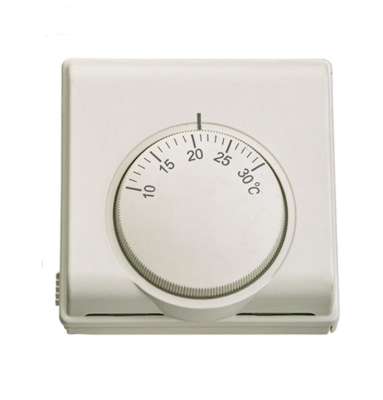
Sourcing oil thermostats requires a clear understanding of the specific thermal control needs within your industrial or commercial heating systems. These devices are critical for maintaining precise temperature ranges, ensuring equipment efficiency, and preventing overheating damage. Buyers must distinguish between standard household units and specialized industrial components, as the latter often demand higher durability and stricter calibration tolerances. The market offers a variety of models, from simple dial-based regulators to advanced digital panels with LCD displays, each serving different operational contexts.
When initiating a procurement process, it is essential to define the exact application environment, whether it involves packaged air-conditioning units, refrigeration systems, or general HVAC infrastructure. The supplied data indicates a presence of products labeled for household use, yet also highlights industrial-grade features such as high-power relays and sealed contacts. Understanding this spectrum helps in filtering suppliers who specialize in niche thermal management solutions versus those offering generic consumer electronics. Proper alignment of product capabilities with system requirements prevents costly mismatches and ensures long-term operational reliability.
Product Scope and Observed Listing Signals
The current market landscape for oil thermostats reveals a diverse array of product listings, with observed price points ranging from $0.39 to $1000 USD. This wide variance suggests a mix of basic mechanical components and sophisticated digital control panels. Minimum order quantities (MOQs) typically span from 1 to 1000 units, indicating flexibility for both prototype testing and large-scale industrial deployment. Buyers should note that while some listings offer single-unit purchases, bulk orders often unlock better commercial terms and streamlined logistics, which is crucial for maintaining consistent supply chains.
Product attributes vary significantly across suppliers, with some offering non-customized standard models while others provide full customization options. Display types range from simple LED indicators to comprehensive LCD panels, catering to different user interface preferences. Models such as the STC-8080A+ and ETC-974 appear in listings, suggesting a focus on specific functional architectures. Additionally, materials like plastic and specialized refrigeration-grade components are common, reflecting the need for durability in varying environmental conditions. Buyers must carefully cross-reference these attributes with their technical requirements to avoid selecting incompatible hardware.
Technical Specifications to Verify
Verifying technical specifications is paramount when selecting an oil thermostat, particularly regarding accuracy and display type. The observed data highlights products with an accuracy of 1°C, which may be sufficient for general household applications but potentially inadequate for precision industrial processes. Buyers should confirm whether the device supports both Celsius and Fahrenheit scales, as this dual-standard capability enhances usability in global operations. Furthermore, the presence of digital displays, including LCD and LED options, offers real-time monitoring benefits, but the specific resolution and response time must be validated against operational needs.
Electrical characteristics and physical dimensions also require rigorous scrutiny. Listings mention voltages such as 3V and battery types like AAA, which are typical for wireless or low-power digital units. However, industrial applications often demand higher voltage ratings and robust power supplies. The inclusion of high-power relays and sealed relay designs indicates a focus on longevity and safety in high-load environments. Buyers must ensure that the physical size, described as subminiature in some cases, fits within the designated control panel space. Additionally, transmission distances under 50 meters for wireless models should be evaluated against the layout of the facility to ensure reliable signal integrity.
Compliance and Safety Documentation
Compliance with international standards is non-negotiable for oil thermostats, especially those used in regulated industries. The observed certifications include CE, CCC, RoHS, and ISO, which signify adherence to European, Chinese, and global environmental and safety regulations. Buyers must verify that the specific model they intend to purchase holds the relevant certifications for their target market. For instance, products destined for the European Union must strictly comply with CE marking requirements, while those for China may require CCC certification. Documentation should be readily available and verifiable through official channels to mitigate legal and safety risks.
Beyond certifications, understanding the underlying standards is crucial for ensuring product quality and safety. Some listings reference standards such as CE UL, indicating compliance with both European and potentially American safety norms. The mention of ISO standards suggests a commitment to quality management systems, which often correlates with consistent manufacturing practices. Buyers should request detailed test reports and compliance certificates from suppliers, ensuring that these documents are current and specific to the batch of products being ordered. This due diligence protects against liability issues and ensures that the thermostats meet all necessary regulatory requirements for safe operation.
Cost Drivers and Commercial Terms
Several factors influence the final cost of oil thermostats, including material composition, electronic complexity, and certification requirements. Products featuring digital displays, LCD screens, and advanced microcontrollers typically command higher prices than basic mechanical units. The inclusion of high-power relays and sealed contacts also adds to the manufacturing cost due to the need for more durable components. Buyers should analyze the total cost of ownership, considering not just the unit price but also the potential savings from improved energy efficiency and reduced maintenance needs associated with higher-quality devices.
Commercial terms such as MOQs and packaging details significantly impact procurement strategy. Observed MOQs range from 1 to 1000 units, allowing for flexible ordering based on inventory needs. Packaging methods, such as individual poly bags or bulk cartons, affect handling and storage costs. Buyers should negotiate terms that align with their production schedules and storage capabilities. Additionally, warranty periods, often listed as one year for standard products, provide a safety net against early failures. Understanding these commercial variables helps in budgeting accurately and establishing sustainable supplier relationships that support long-term procurement goals.
Supplier Qualification and Quality Control
Qualifying suppliers for oil thermostats involves assessing their manufacturing capabilities, quality control processes, and after-sales support. Buyers should prioritize suppliers who demonstrate a clear understanding of thermal control technologies and offer comprehensive technical documentation. The presence of standardized packaging, such as cartons containing 500 pieces, indicates a level of operational maturity and logistical efficiency. Suppliers who provide detailed product specifications and responsive customer service are better positioned to support complex procurement projects and resolve any technical issues that may arise during installation or operation.
Quality control measures should be explicitly defined in the procurement agreement. Buyers must ensure that suppliers implement rigorous testing protocols to verify accuracy, durability, and electrical safety. The mention of "Good" and "Top Ranking" quality attributes in listings suggests that some suppliers emphasize product excellence, but these claims should be substantiated by independent test results or third-party audits. Establishing clear quality benchmarks and conducting regular supplier audits helps maintain consistency in product performance. Additionally, verifying the supplier’s ability to provide timely after-sales service and warranty support is essential for minimizing downtime and ensuring long-term satisfaction with the purchased thermostats.
Long-Term Procurement Checks
Long-term procurement success depends on continuous monitoring of supplier performance and product reliability. Buyers should establish key performance indicators (KPIs) to track defect rates, delivery times, and responsiveness to technical queries. Regular reviews of these metrics help identify potential issues early and allow for proactive management of the supply chain. Maintaining open communication with suppliers facilitates collaborative problem-solving and ensures that any changes in product specifications or regulatory requirements are promptly addressed. This ongoing engagement fosters a partnership approach rather than a transactional relationship, leading to better outcomes over time.
Adapting to market changes and technological advancements is also crucial for long-term procurement strategies. The oil thermostat market may evolve with new materials, improved digital interfaces, or stricter environmental regulations. Buyers should stay informed about industry trends and emerging technologies that could enhance system efficiency or compliance. Periodically reassessing the supplier base and exploring alternative sources can mitigate risks associated with single-source dependencies. By maintaining a flexible and informed procurement strategy, buyers can ensure that their oil thermostat supplies remain reliable, cost-effective, and aligned with evolving operational needs.
FAQs
What certifications do oil thermostats typically have?
Many oil thermostats carry CE and CCC certifications as standard compliance. Some models also include RoHS and ISO standards to ensure safety and environmental compliance. These certifications verify that the product meets international quality and safety requirements for industrial and household applications.
Can I find customized oil thermostat options?
Yes, customized oil thermostat options are available for specific industrial needs. While some units are non-customized, many suppliers offer tailored solutions. Buyers should verify customization availability directly with manufacturers to ensure the product meets their unique operational specifications and requirements.
Which display types are available for digital thermostats?
Digital thermostats commonly feature LED or LCD display types for clear temperature readings. These displays provide accurate monitoring for various applications including air conditioning and refrigeration systems. The choice depends on the specific model and intended usage environment for optimal visibility.
What is the typical warranty period for these units?
The typical warranty period for these units is one year. This standard warranty covers manufacturing defects and ensures product reliability. Buyers should confirm specific warranty terms with the supplier as conditions may vary based on the model and purchase volume.
How are oil thermostats packaged for shipment?
Oil thermostats are typically packed individually in poly bags with 500 pieces per carton. Some models come in individual boxes or cartons depending on the manufacturer. This packaging ensures protection during transit and facilitates efficient handling for bulk orders.
What is the minimum order quantity for these products?
The minimum order quantity varies, with some suppliers requiring 200 pieces while others accept orders as low as one unit. Buyers should check specific MOQ requirements before placing an order to ensure they meet the supplier's purchasing thresholds for the selected model.
Where are these oil thermostats manufactured?
These oil thermostats are manufactured in China, with specific origins including Ningbo, Zhejiang. This location is a major hub for electronic component production. Buyers can expect competitive pricing and established supply chains from this region for bulk procurement needs.